Business
Starting a Small Cloud Kitchen in India: Costs, Licences, and Delivery-App Realities
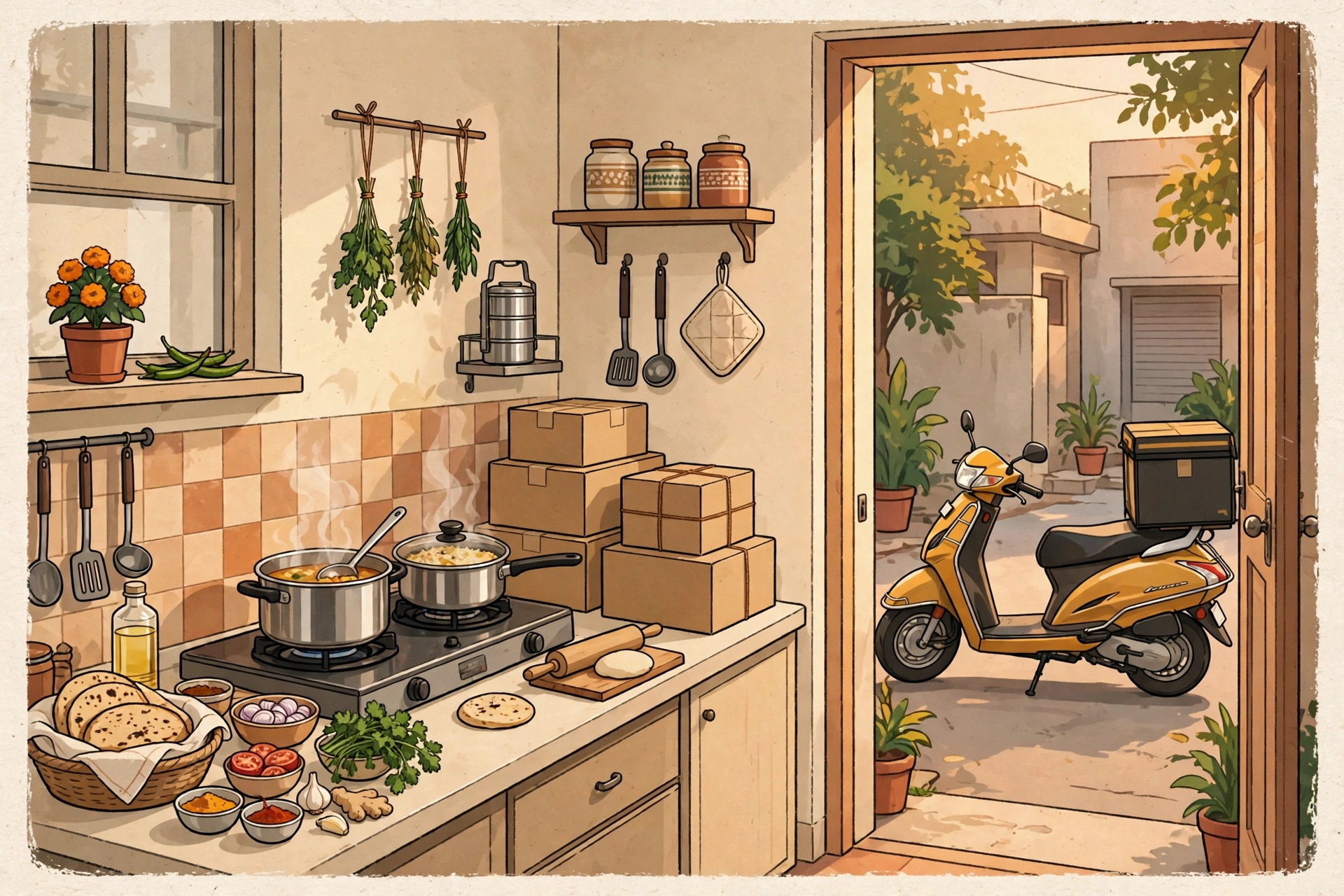
<p>A cloud kitchen has no dining room, no waiters, and no expensive high-street rent — but it is not a shortcut to easy money. It is a food business that lives or dies on taste, consistency, packaging, delivery speed, and honest pricing. This guide walks through the real decisions: whether to cook from home or rent a kitchen, which licences you need, what delivery apps actually cost, how to price a menu, and how to win your first repeat customers without burning your savings.</p><h2>Home kitchen or rented kitchen: choose honestly</h2><p>Cooking from home keeps fixed costs low and lets you test demand before committing to rent. It works best for a small menu, limited orders, and a founder who can control quality personally. The limits appear quickly, though: home kitchens have space constraints, family routines clash with peak orders, and scaling beyond a certain number of orders becomes stressful. A rented commercial kitchen or a shared kitchen space gives you professional equipment, more storage, and room to grow, but it adds monthly rent, utility costs, and compliance duties from day one. A practical middle path is to start small at home, prove that people reorder, and move to a rented space only when orders regularly exceed what your home setup can handle comfortably.</p><h2>The licences and registrations checklist</h2><p>Do not start selling before you understand the basic legal groundwork. Food businesses in India generally need an FSSAI registration or licence, depending on scale, and this is the first document customers and platforms look for. You will also usually need a business registration, such as a sole proprietorship or partnership registration, a GST registration if your turnover crosses the applicable threshold or if a platform requires it, and local permissions such as a trade licence or shop establishment registration where applicable. If you employ staff, labour and safety rules also apply. Rules vary by city and business size, so check the current requirements with your local authority or a qualified adviser before you launch. Keep copies of all documents ready, because delivery platforms will ask for them during onboarding.</p><h2>Delivery apps: the commission reality</h2><p>Delivery apps give you instant visibility, but they are not free marketing. They typically charge a commission on each order, plus taxes and sometimes additional fees for promotions or priority placement. That means a dish that looks profitable on paper can become thin once commission, packaging, delivery-related costs, and refunds are deducted. Before listing, calculate your margin after commission, not before it. Run your own numbers on a simple spreadsheet: selling price minus food cost, packaging, commission, and payment charges. If the remaining margin cannot cover rent, fuel, gas, and your own time, either the price or the menu needs to change. Many new kitchens also depend too heavily on discounts, which bring one-time orders but rarely build loyalty. Use discounts sparingly, for a first trial, and let taste and consistency do the repeat work.</p><h2>Menu and pricing that survive reality</h2><p>A short menu beats a long one. Ten to fifteen dishes that you can cook well, pack well, and deliver hot will outperform fifty dishes that vary in quality. Choose dishes that travel well: food that stays crisp, does not leak, and still tastes good after twenty to forty minutes in a box. Price each dish from its true cost, including ingredients, packaging, gas, and a share of fixed costs, and then add a margin that survives app commission. Test prices with a small group before launch, and watch which dishes get reordered rather than just ordered once. Remove slow sellers quickly, even if you personally love them. A menu that is easy to cook during a rush is also a menu that protects your ratings when orders pile up.</p><h2>Getting the first customers without hype</h2><p>Your first customers will usually come from people who already trust you: neighbours, colleagues, local groups, and friends of friends. Offer a limited launch menu, ask for honest feedback, and fix the top two complaints before spending on ads. Good photos matter, but they must show the real dish, not a styled version customers will never receive. Encourage reviews after a good experience, and reply politely to bad ones with a fix, not an argument. A simple WhatsApp ordering option alongside apps can help early on, because it saves commission on repeat orders, but only if you can manage delivery reliably. Consistency is the real marketing: the fifth order should taste exactly like the first.</p><h2>Mistakes that quietly kill new cloud kitchens</h2><p>The most common mistake is underpricing to win orders and then discovering there is no money left for rent or restocking. The second is a menu that is too large for one cook or a small team to execute well during peak hours. The third is poor packaging — leaking gravy, soggy bread, or cold food can undo great cooking. The fourth is ignoring feedback and blaming customers or the app for low ratings. The fifth is expanding too fast: adding a second brand or a new location before the first kitchen is stable. Avoid these by tracking daily sales, food cost, ratings, and repeat orders in one simple sheet, and reviewing them every week. Small, boring discipline beats grand plans in this business.</p><h2>Frequently asked questions</h2><h3>Can I run a cloud kitchen from home legally?</h3><p>It depends on your city, scale, and food safety rules. Home-based food businesses often still need FSSAI registration and must meet hygiene standards, so check local rules before selling rather than assuming home cooking needs no permission.</p><h3>How much money do I need to start?</h3><p>There is no single figure, because costs depend on city, kitchen setup, licences, packaging, and marketing. Start with a detailed budget for three months of fixed costs plus ingredients, and keep a reserve for slow weeks, instead of spending everything on equipment.</p><h3>Should I list on every delivery app at once?</h3><p>Not necessarily. Start with one or two platforms you can manage well, learn their processes, and add more only when your kitchen can handle the extra volume without hurting quality or delivery times.</p><h3>What matters most for repeat orders?</h3><p>Taste consistency, correct orders, good packaging, and fair pricing. Customers forgive a small delay more easily than a wrong dish, cold food, or a portion that shrinks without warning.</p><h2>Conclusion</h2><p>A small cloud kitchen can work, but only when it is treated as a real business from day one. Get your licences in order, price after commission, keep the menu short, pack food as if you were the customer, and grow only when repeat orders prove the model. Verify current licence rules and platform terms before you invest, because both change over time. Start small, learn fast, and let steady quality build the business.</p>
Share this article
About the Author
Related Articles

Business
Starting a Home Bakery Business in India: FSSAI, Pricing, and Finding Your First Regular Customers
Creator
Business
Starting a Small Poultry Farm in India: Costs, Licenses, and First-Year Realities
Creator
Business
गांव में CSC सेंटर कैसे खोलें: लागत, कमाई और आवेदन की पूरी प्रक्रिया
Creator
Business
Starting a Home-Based Spice Business in India: FSSAI, Packaging, and Finding Your First Customers
Creator