Travel
Planning Your First National Park Safari in India: Parks, Seasons, and Booking Mistakes to Avoid
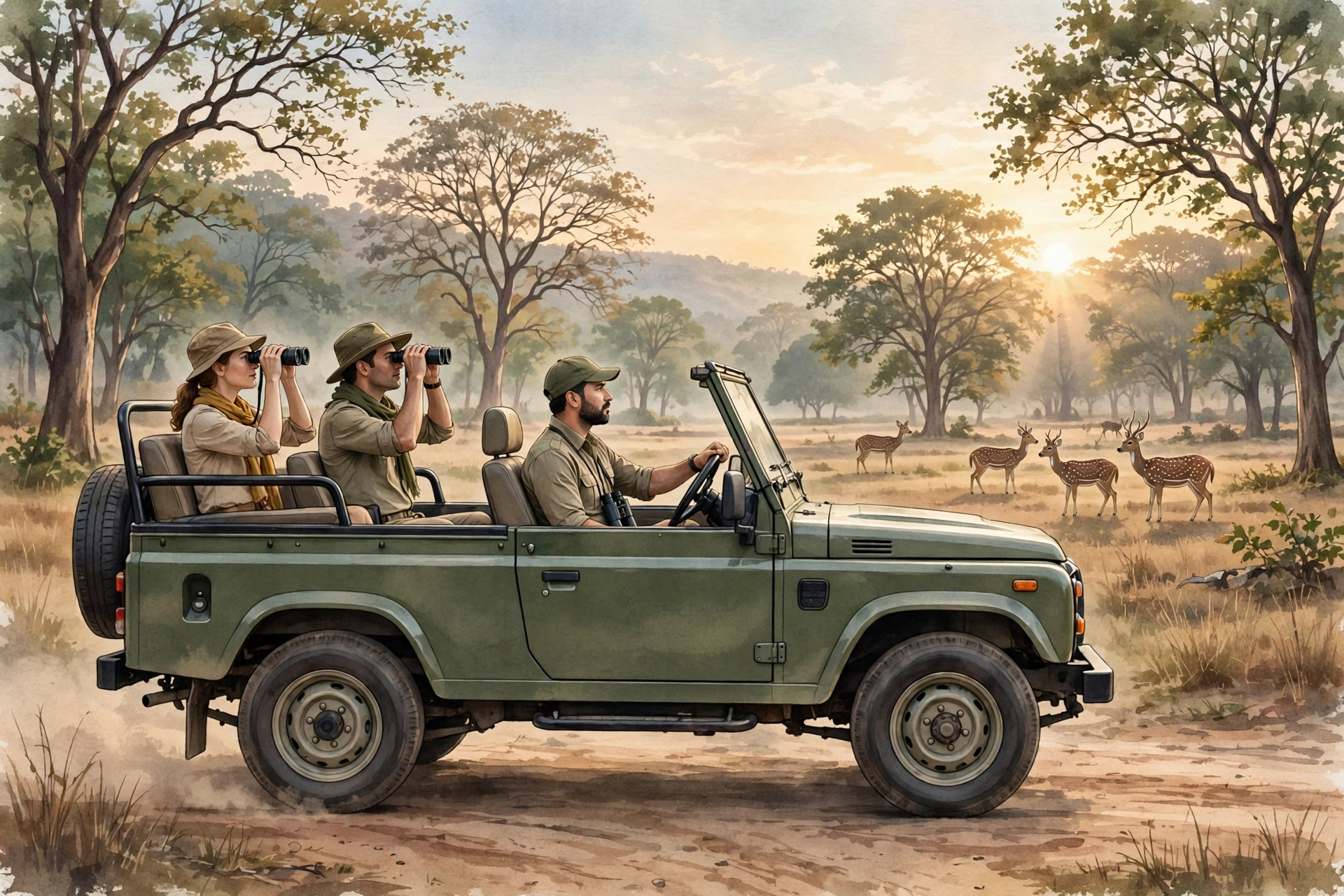
<p>A first safari is exciting, but it is also easy to get wrong. Many first-timers pick the wrong park for the season, book the wrong safari type, or arrive unprepared for early mornings, rough roads, and strict park rules. This guide compares the main choices in plain language, explains how booking generally works, and lists the mistakes that most often spoil an otherwise wonderful trip. It does not promise a tiger sighting — no honest guide can — but it will help you plan a trip that is enjoyable even if wildlife keeps its distance.</p><h2>Choosing a park: season matters more than fame</h2><p>India has many famous parks, and each behaves differently across seasons. In central India, parks such as Kanha, Bandhavgarh, and Pench are popular for tiger habitat, open grasslands, and relatively good visibility in the dry months. In the west, Ranthambore offers historic ruins alongside wildlife, while Gir in Gujarat is known for Asiatic lions rather than tigers. In the north, Jim Corbett combines river landscapes with dense forest, and Kaziranga in Assam is famous for one-horned rhinoceroses and wetland birds. The key point is timing: summer often gives better animal visibility near water sources, but it is hot and dusty, while winter is comfortable and good for birds, though animals may be harder to spot in thick foliage. Monsoon closures also affect many parks, so always check the park's open season before booking travel.</p><h2>Jeep, canter, or elephant safari: what is different</h2><p>A jeep safari usually carries a small group, moves more flexibly on forest tracks, and is the most popular choice for first-timers who want a focused experience. A canter safari uses a larger open vehicle, costs less per person, and suits families or larger groups, but it follows a fixed route and feels less personal. Some parks also offer other experiences, such as boat safaris or walking trails in buffer areas, which are gentler and better for birdwatching. Elephant safaris, where available, are limited and governed by strict welfare and safety rules, so do not plan a trip around them. For a first visit, a jeep safari in the morning is usually the best balance of comfort, flexibility, and wildlife chance, while a canter is a sensible budget option if jeeps are sold out.</p><h2>How booking generally works</h2><p>Safari permits are usually limited each day, and popular zones sell out early, especially on weekends and holidays. Booking generally involves choosing a park, gate or zone, date, and safari type, and providing identity details for each visitor, because permits are checked at the gate. Many parks use official online booking portals, while some bookings go through authorised lodges or agents. Prices vary by park, vehicle type, and whether you are an Indian or foreign visitor, and there may be separate charges for the vehicle, guide, and camera. Book as early as the system allows, keep your booking confirmation and identity documents ready, and arrive well before the reporting time, because late entry is often not allowed. If a zone is full, consider a different gate, a weekday, or a buffer safari rather than paying an inflated price to an unverified seller.</p><h2>What to pack for an early, dusty morning</h2><p>Safaris start early, often before sunrise, and forest mornings can be cold even when afternoons are warm. Dress in layers, wear muted colours such as olive, brown, or grey, and avoid bright colours and strong perfumes, which can disturb animals and draw insects. Carry a hat, sunscreen, water, and any personal medicines, and keep your bag small so it fits easily in the vehicle. Binoculars are more useful than a very long camera lens for most beginners, because they help you spot birds and distant animals quickly. If you carry a camera, bring extra batteries and memory cards, and learn the basic settings before the trip, because animals rarely wait while you search menus. Leave valuables behind and keep phones on silent throughout the safari.</p><h2>Park rules that protect you and the animals</h2><p>Park rules are not formalities; they keep both visitors and wildlife safe. Stay inside the vehicle unless the guide says otherwise, keep your voice low, and never call out to animals, feed them, or try to get closer for a photo. Do not litter, including food wrappers and plastic bottles, and do not use flash photography near animals. Follow the guide and driver at all times, because they read animal behaviour and forest conditions better than any visitor can. If an animal blocks the road, wait patiently instead of pressuring the driver to move closer. A respectful safari is also a better safari: calm groups see more natural behaviour, while noisy groups often see animals retreat into the forest.</p><h2>Booking mistakes to avoid</h2><p>The biggest mistake is booking hotels and flights before securing safari permits, and then discovering that the preferred dates are full. The second is choosing a park only because it is famous, without checking whether it is open or suitable in that season. The third is trusting unofficial sellers who promise a guaranteed sighting or a special zone for extra cash. The fourth is planning too many safaris back to back without rest, which turns a holiday into exhaustion, especially for children and older travellers. The fifth is ignoring travel time: many parks are hours from the nearest airport or railway station, so a tight itinerary can mean missed gates. Plan permits first, travel second, and keep at least one relaxed day in the trip.</p><h2>Frequently asked questions</h2><h3>Is a tiger sighting guaranteed on a safari?</h3><p>No. Tigers are wild animals in large forests, and sightings depend on luck, season, zone, guide experience, and animal movement. Enjoy the whole forest — deer, birds, landscapes, and pugmarks — rather than judging the trip on one animal alone.</p><h3>Which safari time is better, morning or afternoon?</h3><p>Both have advantages. Mornings are cooler and often good for animal activity, while afternoons offer different light for photography. For a first trip, a morning safari is usually the most comfortable and rewarding choice.</p><h3>Can children join a safari?</h3><p>Many parks allow children, but rules, age limits, and charges vary. Check the park's current rules before booking, prepare children for early starts and quiet behaviour, and choose a shorter safari for very young travellers.</p><h3>How far in advance should I book?</h3><p>As early as possible, especially for weekends, holidays, and famous zones. Early booking gives you more choice of gates and dates and reduces the risk of paying a premium through intermediaries.</p><h2>Conclusion</h2><p>A good first safari is planned around season, permits, and patience, not hype. Pick a park that suits your season and interests, book permits before travel, pack for early mornings, and follow the guide's instructions in the forest. Even without a headline sighting, a well-planned safari gives you quiet forests, skilled guides, and memories that last far longer than a single photograph. Check the park's official booking information for current seasons, prices, and rules before you finalise your trip.</p>
Share this article
About the Author
Related Articles

Travel
First-Time Passport Application in India: Documents, Appointment, and Police Verification Explained
Creator
Travel
Planning a Family Road Trip in India: Routes, Budget, and a Safety Checklist That Works
Creator
Travel
रेलवे में सीनियर सिटीजन को मिलने वाली सुविधाएं और रियायतें: 2026 की पूरी जानकारी
Creator
Travel
Planning a Budget Winter Train Trip Across Rajasthan: Routes, Stays, and Real Costs
Creator