Travel
Planning a Family Road Trip in India: Routes, Budget, and a Safety Checklist That Works
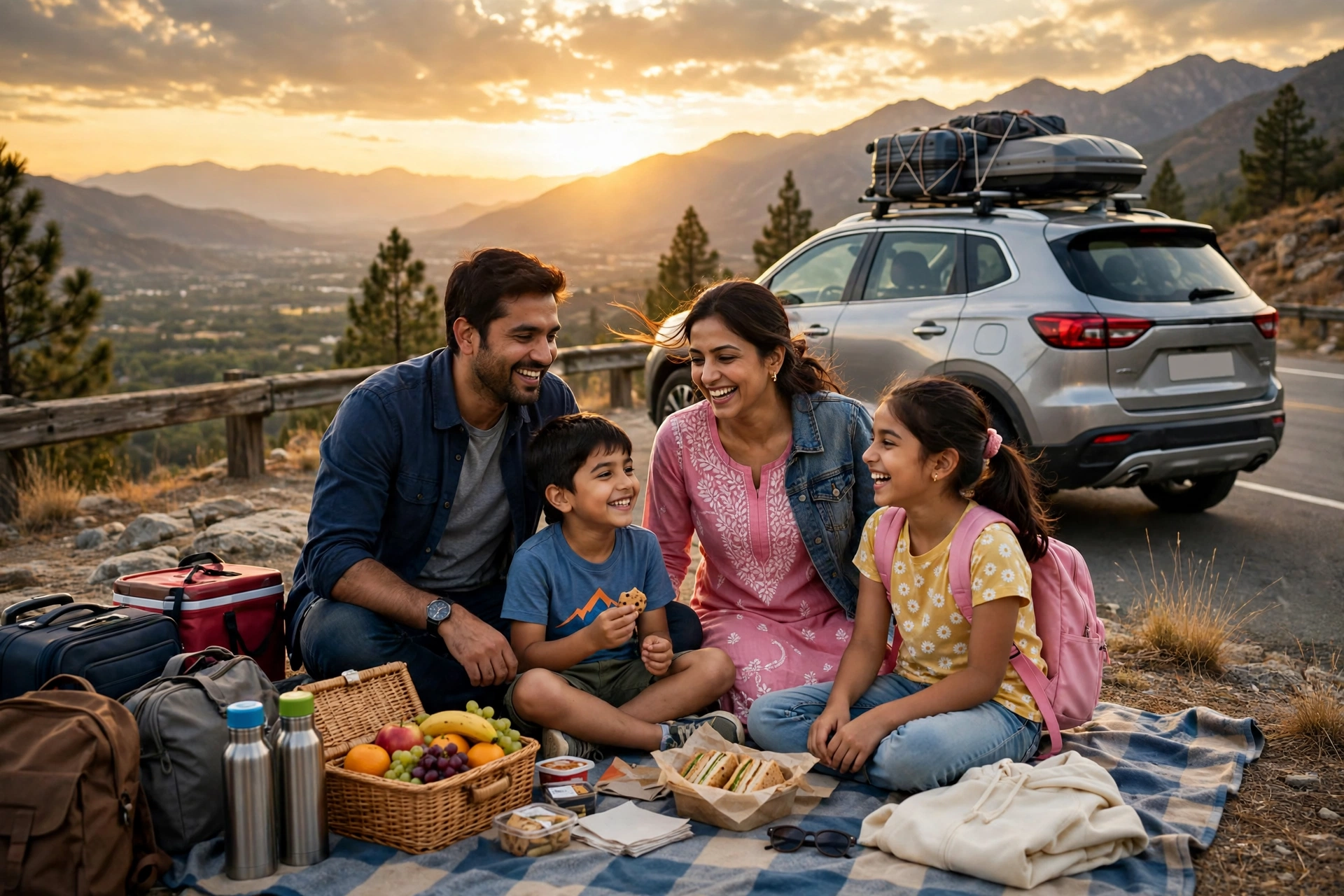
<p>A family road trip sounds simple until the planning starts: which route is actually safe after dark, how much will fuel and food really cost, what do you do when a child falls sick two hundred kilometres from home, and whose phone has the offline map when the network disappears. The difference between a trip everyone remembers fondly and one everyone wants to forget is rarely the destination. It is the planning. Here is a practical framework for planning a family road trip in India that stays fun, safe, and within budget.</p><h2>Choose the Route for the Driver, Not Just the Map</h2><p>The shortest route on a map is not always the best route for a family. National highways are generally smoother, better lit, and have more fuel stations and eateries than state highways that shave off thirty kilometres. Before finalising, check the route for road work, diversions, and toll plazas, and note where fuel stations thin out — on some stretches, a missed fuel stop can mean a long anxious drive. Plan fuel stops in advance rather than hoping one appears.</p><p>Set a realistic daily driving limit. For a family with children, 300 to 400 kilometres a day is a comfortable maximum; beyond that, fatigue sets in, tempers shorten, and the risk of an accident rises. Plan an overnight halt before you need one, not after everyone is exhausted. If the trip is longer than a day, break it with a stop that is itself enjoyable — a lakeside town, a heritage site, a good restaurant — so the journey becomes part of the holiday instead of a chore to endure.</p><h2>Budget Honestly: The Costs People Forget</h2><p>Most road trip budgets count fuel and hotels and forget everything else. A realistic budget has six lines: fuel, tolls, accommodation, food, activities, and a contingency of at least 15 percent. Toll costs add up fast on expressways, and food on highways is often pricier than at home. Activities — entry tickets, boating, guides — are where families most often overspend, because each small ticket feels trivial until ten of them are added up.</p><p>Do the fuel maths before leaving: divide the total distance by your car's real mileage, not the brochure figure, and multiply by the current fuel price. Carry cash for tolls and small-town stops where cards or UPI may not work, but keep most money digital for safety. Book hotels in advance for the first night at least; arriving tired in an unfamiliar town and hunting for rooms is the fastest way to start a trip badly. For later nights, booking a day ahead gives flexibility without the stress.</p><h2>The Safety Checklist Before You Leave</h2><p>A pre-trip vehicle check is non-negotiable. Tyres including the spare, brakes, coolant, engine oil, lights, and wipers should all be checked, ideally by a mechanic a few days before departure so there is time to fix anything found. Carry a basic toolkit, a tyre inflator or puncture kit, jumper cables, a torch, and a first-aid box with the family's regular medicines plus basics for fever, stomach trouble, and motion sickness.</p><p>Share your route and expected arrival times with someone who is not travelling, and check in at agreed points. Download offline maps for the entire route before leaving, because network coverage is unreliable in ghats, forests, and rural stretches. Keep a physical list of emergency numbers — highway helpline, your car's roadside assistance, and the nearest hospital at each halt — rather than relying on a phone search during an emergency.</p><h2>Keeping Children (and Adults) Happy on the Road</h2><p>Long drives test patience at every age. The best antidote is a rhythm: drive for about two hours, then stop for twenty minutes, even if nobody asked. Stops at dhabas, viewpoints, or small towns break the monotony and prevent the restlessness that leads to arguments. Pack snacks, water, and a few small surprises for children — a new book, a game, a playlist they chose — rather than relying entirely on screens, which run out of battery and patience at roughly the same rate.</p><p>Give older children a job: navigator with the map, photographer of the trip, or keeper of the trip diary. A child with a role complains less and remembers more. For adults, agree on driving shifts in advance if more than one person drives, and agree on music and temperature rules before the trip rather than negotiating them at 120 kilometres an hour.</p><h2>When Things Go Wrong: The Calm Response</h2><p>Something will go wrong on most long trips: a flat tyre, a wrong turn, a hotel that does not match its photos, a sudden rainstorm. The trip is not ruined by the problem; it is ruined by the reaction. Keep the contingency budget for exactly these moments, and keep the family's expectations flexible. A hotel that disappoints becomes a story if you move to a better one without a fight; a wrong turn becomes an adventure if you have time built into the day.</p><p>For real emergencies, know the basics: how to change a tyre, how to use your car's hazard lights and reflective triangle, and where the nearest hospital is. Save your insurer's claim helpline in the phone before departure. Most roadside problems are solvable within an hour when you have the right numbers and a calm head.</p><h2>Frequently Asked Questions</h2><h3>How many kilometres should a family drive in a day?</h3><p>For a family with children, 300 to 400 kilometres is a comfortable daily limit. It leaves time for stops, meals, and arrival before dark, which is when driving risk rises.</p><h3>Is it better to book all hotels in advance?</h3><p>Book at least the first night in advance. For later nights, booking a day ahead balances flexibility with security, and avoids arriving exhausted in an unfamiliar town.</p><h3>What should I check on the car before a long trip?</h3><p>Tyres including the spare, brakes, coolant, oil, lights, wipers, and battery. A mechanic's check a few days before departure leaves time to fix anything found.</p><h3>How much contingency money should I carry?</h3><p>At least 15 percent of the total budget, kept separate from daily spending money. It covers the flat tyre, the unexpected hotel change, or the detour that turns out to be worth it.</p><h2>Conclusion</h2><p>A great family road trip is not about the car or the destination. It is about a route chosen for the driver, a budget that includes the forgotten costs, a vehicle checked before departure, and a daily rhythm that keeps everyone rested and happy. Plan those four things well, keep a contingency for the surprises, and the road itself becomes the best part of the holiday.</p>
Share this article
About the Author
Related Articles
Travel
Planning Your First National Park Safari in India: Parks, Seasons, and Booking Mistakes to Avoid
Creator

Travel
First-Time Passport Application in India: Documents, Appointment, and Police Verification Explained
Creator
Travel
रेलवे में सीनियर सिटीजन को मिलने वाली सुविधाएं और रियायतें: 2026 की पूरी जानकारी
Creator
Travel
Planning a Budget Winter Train Trip Across Rajasthan: Routes, Stays, and Real Costs
Creator