Education
How to Choose the Right Playschool for Your Child: Visits, Questions, and Red Flags Parents Miss
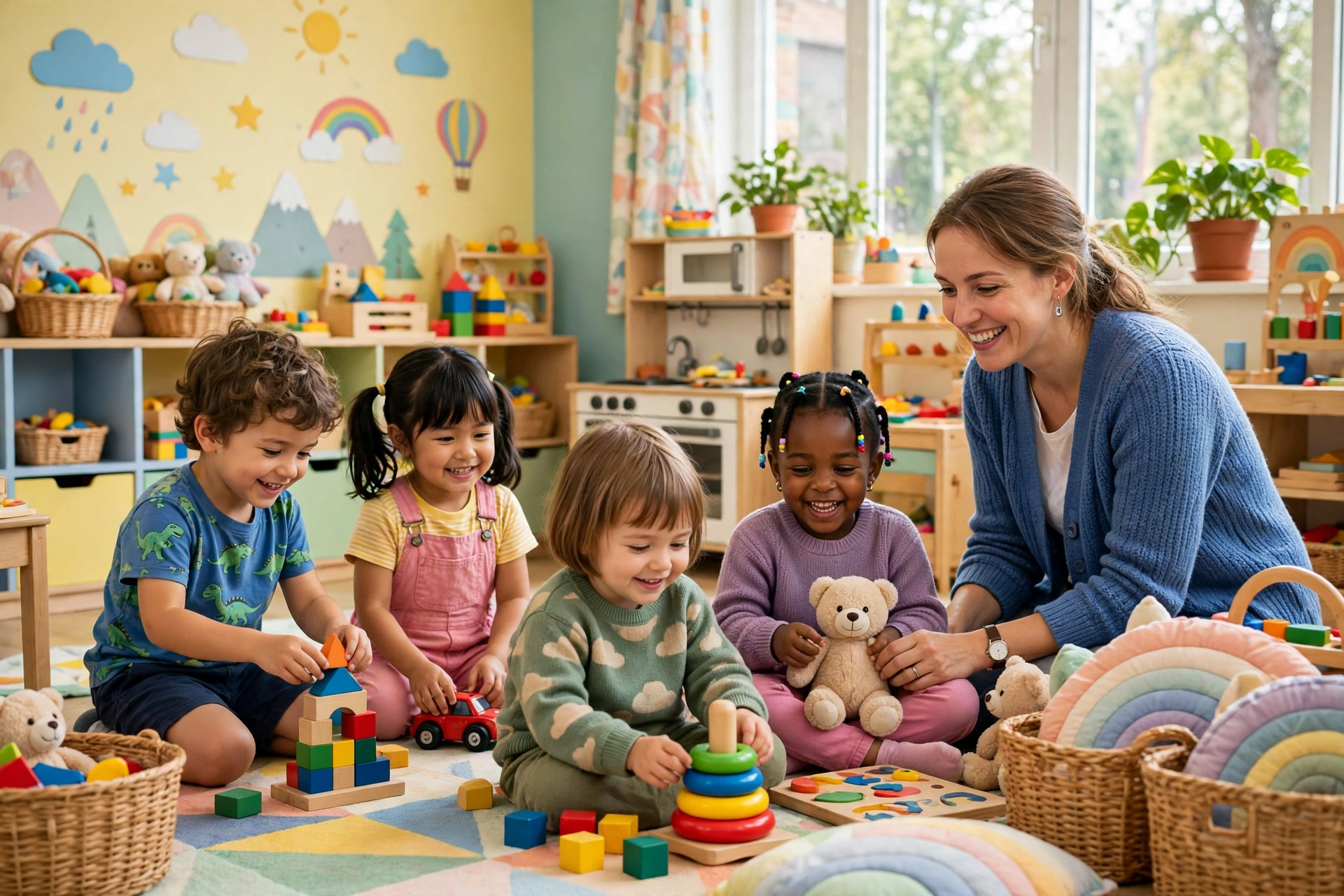
<p>Choosing a playschool feels simple until you visit three schools and realise how different they are. One has bright classrooms but noisy corridors, another has a lovely garden but crowded rooms, and a third looks perfect in photographs but feels rushed in person. For a child aged two to four, the daily environment matters more than a famous name or a long list of activities.</p><p>This guide helps parents visit playschools with clear eyes. It explains what to observe, what to ask, and which warning signs are easy to miss. Use it as a checklist, not as a race to find a perfect school, because the right fit depends on your child, your commute, and your family routine.</p><h2>Start with practical basics before the visit</h2><p>Before visiting, shortlist schools within a reasonable distance from home. A long daily commute can tire a small child and make mornings stressful for the whole family. Check the school timings, the days it remains closed, and how it handles late pickups or early drop-offs. Also ask about the total annual cost, including transport, meals, books, and activity charges, so that you are not surprised later.</p><p>Look at the teacher-to-child ratio, not just the total class size. A class of twenty children with two teachers is very different from the same class with one teacher and a helper who changes every week. Young children need adults who know their names, their habits, and their comfort routines. Ask how long the current teachers have worked there, because frequent staff changes can unsettle a child.</p><h2>What to observe during the visit</h2><p>Visit during school hours if possible, not only on a weekend open day. Notice whether children look relaxed and engaged, or whether they are sitting quietly for too long. In a good playschool, you will see play, songs, stories, building blocks, drawing, and outdoor time. You will also see teachers talking with children at their eye level, not only giving instructions from a distance.</p><p>Check the classrooms, toilets, drinking water, and play area with the same care. Classrooms should have natural light and space to move. Toilets should be clean and sized for small children. The outdoor area should have safe flooring, shaded space, and equipment that is checked regularly. If a school refuses to show you toilets or the play area, treat that as a serious warning sign.</p><h2>Questions parents often forget to ask</h2><p>Ask how the school handles a child who cries during settling-in weeks. A thoughtful answer will mention a gradual settling plan, a familiar teacher, and regular updates to parents. Ask what happens if a child falls sick, gets hurt, or needs medicine during school hours. The school should have a first-aid kit, a clear emergency contact process, and staff trained in basic first aid.</p><p>Also ask about food, naps, and screen use. If meals are provided, ask who prepares them and how allergies are handled. If there is nap time, ask where children rest and who supervises them. For screens, a playschool for very young children should use them rarely, if at all, and never as a way to keep children quiet. These answers tell you more about daily care than any brochure.</p><h2>Red flags parents often miss</h2><p>Some red flags are obvious, such as dirty premises or rude staff. Others are quieter. Be cautious if teachers cannot explain what children learn through play, if the school promises reading and writing far ahead of the child's age, or if every child is expected to sit still for long periods. Early learning should build language, curiosity, motor skills, and social confidence, not exam pressure.</p><p>Other warning signs include unclear fee structures, pressure to pay the full year in advance, no written policy for safety and pickup, and reluctance to let parents meet the actual class teacher. If the school changes its answers between visits, or if you feel rushed into admission, pause and compare other options. A good school will welcome careful questions.</p><h2>After the visit: decide with your child in mind</h2><p>After visiting two or three schools, compare them on the same points: distance, safety, teacher stability, daily routine, play opportunities, and cost. Talk to other parents outside the school gate if you can, and ask about communication, not only about facilities. A school that sends regular, honest updates is often better than a school with impressive buildings but poor communication.</p><p>If possible, take your child for a short settling visit and watch their reaction. Some children take time to warm up, so one shy visit does not mean rejection. Look for whether the teacher tries to connect gently, whether the child shows curiosity about toys or other children, and whether you feel comfortable leaving your child there. Trust that feeling along with the checklist.</p><h2>FAQ</h2><h3>At what age should a child start playschool?</h3><p>Many children start between the ages of two and three, but the right age depends on the child's comfort, health, and family situation. Some children are ready earlier, while others benefit from another few months at home. Talk to your paediatrician and observe whether your child enjoys playing with other children and can handle short separations.</p><h3>Is a playschool near home always better than a famous one far away?</h3><p>For young children, a shorter commute is a real advantage. Less travel means more rest, calmer mornings, and easier pickup in an emergency. A famous school far away may offer good facilities, but daily tiredness can undo those benefits. Weigh distance along with quality, not after it.</p><h3>How important are academic activities at playschool age?</h3><p>At this age, play is learning. Sorting blocks teaches early maths, stories build language, painting builds fine motor skills, and group play teaches sharing and patience. Formal reading and writing can wait. If a school focuses mainly on worksheets for toddlers, ask how it balances that with free play and outdoor activity.</p><h3>What should I do if my child cries every day for weeks?</h3><p>Some crying during settling-in is common, but crying that continues for many weeks deserves attention. Speak with the teacher about the daily routine, the child's friendships, and any change at home. Ask for a clear settling plan and regular updates. If the distress does not reduce, consider whether the timing, the class, or the school itself needs to change.</p><h2>Conclusion</h2><p>The right playschool is not the most expensive or the most advertised one. It is the place where your child feels safe, where teachers are steady and caring, and where play is treated as real learning. Visit during school hours, ask the forgotten questions, watch for quiet red flags, and then choose calmly. A careful decision now can make your child's first school years happy and confident.</p>
Share this article
About the Author
Related Articles
Education
बोर्ड परीक्षा की तैयारी: आखिरी 90 दिन का रिवीजन प्लान जो सच में काम करे
Creator
Education
10वीं के बाद सही स्ट्रीम कैसे चुनें: साइंस, कॉमर्स और आर्ट्स की पूरी तुलना
Creator

Education
How to Learn Spoken English at Home Without Coaching: A Daily Practice Plan
Creator
Education
School Admission Interviews in India: What Parents and Children Should Actually Practise
Creator